
Youth Soccer Guide to College Soccer Recruiting
Youth Soccer Guide to College Soccer Recruiting: Tryouts and Evaluations, Age Groups, and Soccer Training
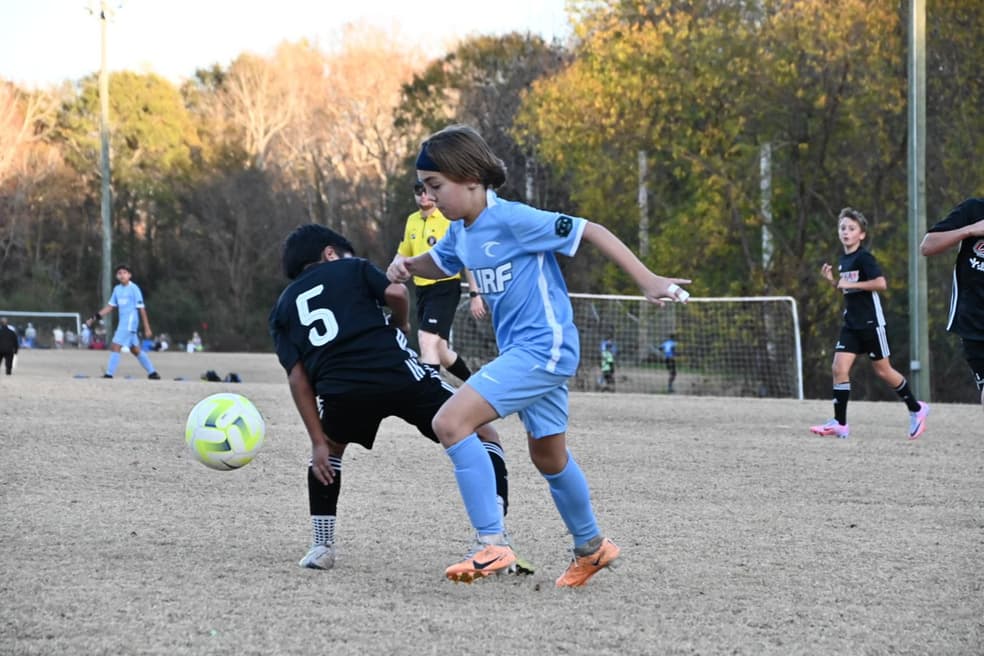
Player development in U.S. youth soccer is a structured process that begins with tryouts and evaluations, followed by placement into age-appropriate groups and participation in regular training sessions designed to hone skills and tactical understanding.
Tryouts and Evaluations
For the 2025-26 season, most clubs typically conduct open tryouts in late spring, generally spanning from April to early June. The process usually requires all prospective players, whether new or returning, to complete an online evaluation link before attending the tryout session. Players are advised to arrive approximately 30 minutes prior to their scheduled tryout time for check-in procedures.
During these evaluations, coaches assess players across several key dimensions. This includes technical skills, such as ball control, passing accuracy, and versatility; tactical awareness, which encompasses decision-making, positioning, and overall understanding of the game; athleticism, including speed, endurance, and strength; and attitude, which covers work ethic, coachability, teamwork, and respect for teammates and officials. The evaluation extends beyond flashy individual plays; coaches actively seek coachable individuals who demonstrate a strong work ethic and potential for growth. Players who are offered a spot on a team are typically notified shortly after tryouts and are required to complete a commitment fee, often around $200, to secure their place. Some clubs may also provide early commitment opportunities for existing players from the previous season.
Age Group Classifications for 2025-2026
For the upcoming 2025-26 season, youth soccer in the United States will continue to adhere to the birth-year system for age group classification, meaning a player's age group is determined by their birth year, spanning from January 1 to December 31. For example, a player born in 2011 would typically be classified as U15 for this season. The impending age group change, effective for the 2026-27 season, introduces a temporary period of adjustment for families and clubs in 2025-26. While the current birth-year system remains in place for this season, the significant future shift to an August 1 to July 31 cycle has already been announced. This means that tryouts conducted in late spring/early summer 2025 are for teams that will operate under the current birth-year system for the 2025-26 season. Clubs and parents will need to communicate and plan meticulously to mitigate any potential confusion and ensure smooth transitions for players as they move from a birth-year-based system to a school-year-aligned system in the subsequent season.
Table: 2025-2026 Youth Soccer Age Group Chart (Birth Year)
| Age Group | Birth Year |
|---|---|
| U19 | 2007 |
| U18 | 2008 |
| U17 | 2009 |
| U16 | 2010 |
| U15 | 2011 |
| U14 | 2012 |
| U13 | 2013 |
| U12 | 2014 |
| U11 | 2015 |
| U10 | 2016 |
| U9 | 2017 |
| U8 | 2018 |
| U7 | 2019 |
| U6 | 2020 |
| U5 | 2021 |
Training Expectations and Curriculum
Consistent practice is fundamental for developing and refining soccer skills, building physical fitness, and fostering a strong work ethic in young players. Regular training sessions are designed to enhance technical abilities, tactical understanding, and overall performance on the field.
Training Frequency varies significantly based on the level of play. Recreational soccer programs generally have less demanding schedules, typically involving one to two practices per week in addition to games. In contrast, competitive club teams usually require a more substantial time commitment, often with three to five practices per week, supplemented by games and tournaments. Age-specific recommendations for training frequency suggest that children under 10 years old benefit from 2-3 sessions per week, each lasting 45-60 minutes. Players between 11 and 14 years old can typically benefit from 3-4 sessions per week, lasting 60-90 minutes each. High school-aged players may train up to five times per week, with sessions extending from 90 minutes to 2 hours.
The General Content and Methodology of training sessions are often guided by established development philosophies. Many clubs and state associations, such as Mass Youth Soccer, adhere to the U.S. Soccer Grassroots Play-Practice-Play Methodology. This player-centered approach aims to make training both enjoyable and developmentally effective by replicating actual game moments—attacking, defending, and transitions—to help players analyze situations, make decisions independently, and foster creativity. Key curriculum areas typically include:
- Technical Skills: Focus on fundamental aspects like ball control, various passing techniques (ground, aerial, lofted, curved, chips, driven), dribbling, first touch, and finishing skills (shooting, crossing, combination play).
- Tactical Understanding: Development of positional play, attacking and defending principles, effective transition play (from offense to defense and vice versa), understanding match formations (e.g., 9v9, 11v11), position discipline, maintaining defensive shape, pressing strategies, and compact defense.
- Physical Conditioning: Training incorporates elements to improve speed, agility, endurance, and strength, which are crucial for competitive play.
- Mental Development: Programs are designed to challenge young players mentally and emotionally, fostering confidence, a positive attitude, and effective decision-making under pressure.
Many competitive clubs, such as Cincinnati Elite FC, explicitly state a focus on player development over solely winning, aiming to create an environment conducive to long-term growth. The period before age 15 is often considered a "golden window" for developing foundational technical skills and decision-making abilities, highlighting the importance of consistent, quality training during these formative years.
The Recruiting Process: Key Steps and Timeline for 2025
College recruiting in 2025 is increasingly competitive and player-driven, demanding a strategic, proactive approach from players and their families. The process generally operates as a funnel, beginning with a broad pool of prospective athletes that coaches gradually narrow down to a select few. This means players cannot passively wait to be discovered. The process typically involves several key steps:
- Initial Identification: Coaches compile lists of potential recruits by considering athletic statistics, preferred position, graduation year, academic performance, and geographic location. They leverage various resources, including recruiting media sites, third-party recruiting services, recommendations from high school or club coaches, and direct communications from recruits.
- Initial Outreach: Coaches send out recruiting letters, questionnaires, and invitations to camps to gauge a player's interest and suitability for their program. Players are encouraged to respond to these communications with personalized messages, expressing genuine interest and thanking the coach.
- Evaluations: This stage involves more in-depth assessment. Coaches engage with high school and club coaches for evaluations, attend major tournaments and showcases, extend personalized invitations to their own ID camps, and conduct official or unofficial campus visits with top-ranked prospects.
- Offers & Commitments: Coaches extend verbal offers and scholarship opportunities, which are non-binding agreements, with the aim of securing commitments from their top-ranked prospects. Official offers typically become binding when the athlete signs their financial aid agreement, usually during their senior year of high school, or by signing a National Letter of Intent (NLI).
- Academic Eligibility: The final crucial step ensures that committed athletes sign with the program and meet all NCAA academic eligibility requirements, including completing necessary core courses and maintaining the required GPA.
NCAA Contact Rules dictate when college coaches can proactively reach out to recruits. For most Division 1 and Division 2 sports, coaches are permitted to initiate contact (via emails, texts, or social media) starting June 15 after a player's sophomore year or September 1 of their junior year. However, student-athletes are permitted to initiate contact with college coaches at any time, even before coaches are allowed to respond. The increasing player-driven nature of recruiting means that players must actively manage their profile and outreach efforts. This also implies that clubs and coaches play a crucial role not just in on-field development, but also in guiding players through the complex self-marketing and academic aspects of the recruiting process, ensuring a comprehensive preparation for collegiate opportunities.
Key Dates and Milestones for 2025 College Soccer Recruiting
| Event / Milestone | Date / Period | Significance / Notes |
|---|---|---|
| Club Tryouts for 2025-26 Season | Late Spring (April - Early June) | Open tryouts for team placement; coaches evaluate skills, tactics, athleticism, attitude |
| NCAA D1/D2 Coach Proactive Contact Opens | June 15 (after Sophomore year) or Sept 1 (Junior year) | Coaches can initiate contact; players can initiate contact earlier |
| College Showcases & ID Camps | Throughout Spring, Summer, Fall | Major scouting events for college coaches to evaluate talent in action |
| NCAA Women's College Cup | December 5 & 8 | National Championship event in Kansas City, MO |
| NCAA Men's College Cup | December 12 & 15 | National Championship event in Cary, NC |
| Fall Transfer Portals Open | Women: Nov 17-Dec 17; Men: Nov 24-Dec 24 | Period for collegiate athletes to enter transfer portal |
| Spring Transfer Portal Open | May 1-May 15, 2026 | Additional period for collegiate athletes to enter transfer portal |
Strategies for Players
Proactive Communication is paramount. Players should not wait for college coaches to initiate contact but should instead send personalized emails that include a brief introduction, academic and athletic statistics, a link to a highlight reel, and specific reasons for their interest in a particular program. Coaches are adept at identifying generic messages, so personalization is key. A Holistic Fit is often the ultimate goal. Players should thoroughly research programs, considering not only the athletic aspects but also academic offerings, school size, location, and team culture. Families should also be vigilant against potential Scams, trusting only communications from verified clubs and organizations and being wary of promises of "shortcuts" to elite teams or college scholarships. The parental role involves offering support without micromanaging, encouraging direct communication between the child and coaches.
Highlight Videos are a critical tool for attracting coaches' attention. An effective reel should be 3-5 minutes long, showcasing a player's best moments, including technical skills, tactical plays, and versatility, along with basic information such as name, graduation year, position, and contact details.
Academic Performance is as crucial as athletic ability. Strong grades and good study habits are non-negotiable for NCAA academic eligibility and are vital for scholarship consideration. College coaches actively seek "student-athletes" who can excel both on and off the field.
Persistence is essential, as rejection is an inherent part of the recruiting process; it should be used as motivation for continued improvement.
Leverage Their Network, including high school and club coaches, as well as recruiting agencies, as these individuals can provide valuable connections and recommendations to college programs. Maintaining a positive and professional online presence is also important, as coaches often review social media to assess a player's personality and professionalism.