
Play Club Soccer Logo
StatesArkansas

Directory of Youth Soccer Clubs in Arkansas

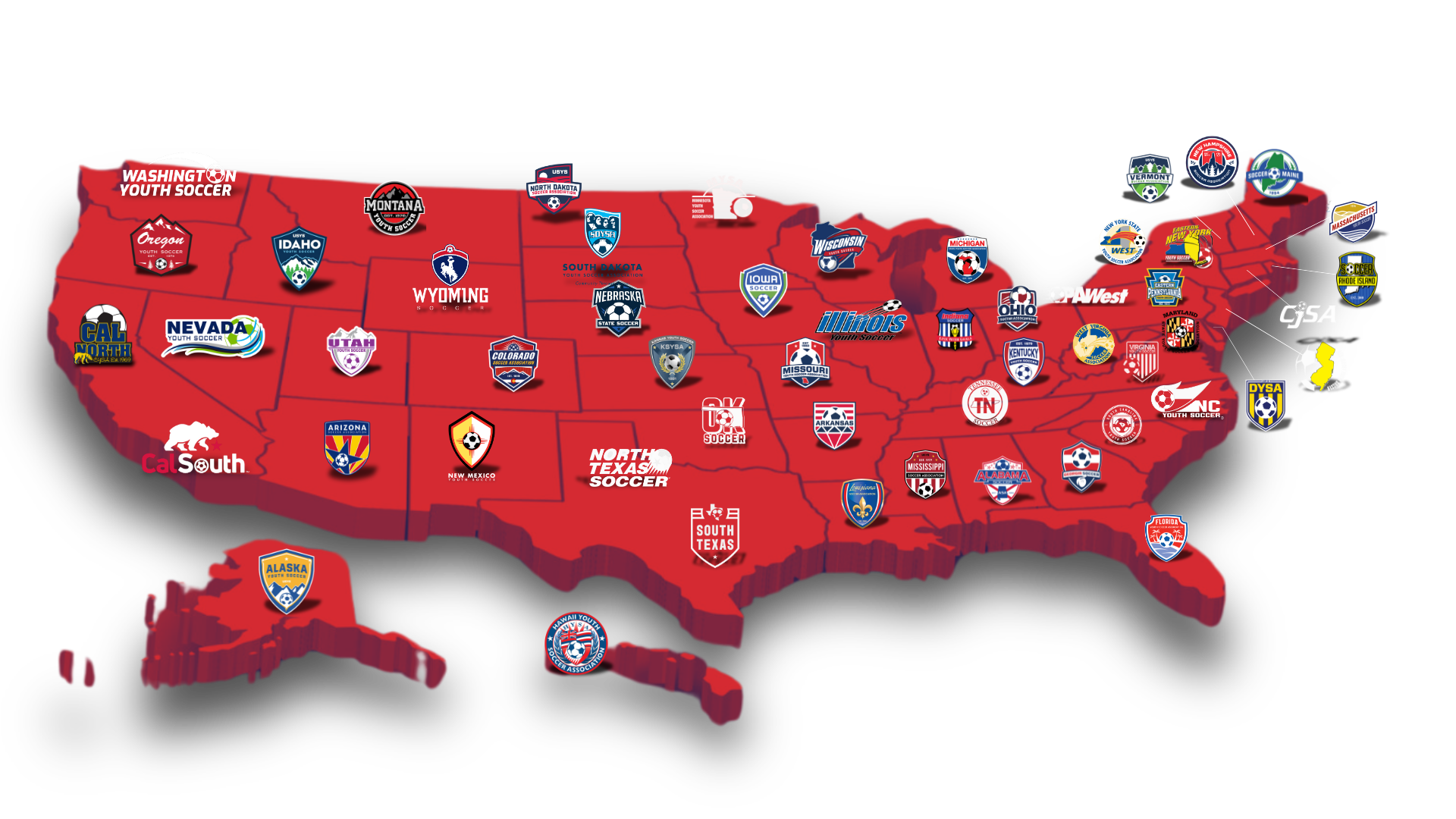
Select a pin on the Map, Browse by City, League, or view all clubs in Arkansas.

Loading...

About Youth Soccer in Arkansas

The Arkansas State Soccer Association has focused heavily on growing the game in rural areas while maintaining strong competitive hubs in Little Rock and Northwest Arkansas. Their State League structure integrates well with the USYS Mid South Conference, giving top teams access to regional competition. Arkansas is known for its strong community-based clubs and has seen a surge in participation following the growth of the sport's popularity in the neighboring southern states.

The primary governing body for youth soccer in the state is the Arkansas State Soccer Association. It manages various leagues, including Arkansas State Championship, Arkansas Competitive State League, USYS Mid South Conference. The association reports that there are over 35+ youth clubs and Approx. 22,000 players registered in the state.

Currently, our directory tracks 4 active clubs and associations across the Arkansas region. Whether you are looking for a US Youth Soccer (USYS) affiliate, a Elite MLS Next or ECNL member, or an NPL program, the organizations listed below represent the primary development hubs for youth players.

Use the filters to sort by city or competitive level to find the right fit for your player's age group and skill level. Or you can also interact with the map above to navigate or find clubs in your specific location.

Find the Best Soccer Club in Arkansas for you.

Filter by League

Filter by City (24)

All Soccer Clubs in Arkansas (4)

Arkansas Comets logo
Fayetteville, AR

Arkansas Comets Futbol Club is a youth soccer organization based in Springdale, Arkansas. The club provides comprehensive soccer development for boys and girls across various age groups. They serve players ranging from U6 (2020 birth year) through U19 (2007 birth year). The club offers a structured pathway for player development, including programs such as Comets Juniors, Pre-Academy, Academy, and Premier Teams. Arkansas Comets Futbol Club emphasizes player growth through dedicated coaching and competitive opportunities. Their teams compete in prominent regional leagues, including the Girls ECNL-Regional League and the Boys ECNL-Regional League. The club also features an alumni program, showcasing former players who have progressed in their soccer careers.

Leagues: ECNL RL Boys | ECNL RL Girls | NPL

Arkansas Rising logo
Litte Rock, AR

Arkansas Rising Soccer Club is a prominent youth soccer organization based in Little Rock, Arkansas, serving as a central hub for soccer development in the state. Established in 1980, the club was formerly known as Little Rock Futbol Club and operates as a 501(c)(3) non-profit organization. Its core mission is to promote youth soccer and cultivate a deep love for the game among its players. The club offers a comprehensive pathway for athletes, starting with Rising Stars for ages 2.5-4, progressing through Recreational programs for Pre-K up to 12th grade, and including Academy and Competitive levels. Arkansas Rising focuses on developing players as athletes, students, and responsible individuals, fostering life-long friendships, leadership, teamwork, and sportsmanship. The club boasts a strong record of success, with 32 Arkansas State Cup Champions and 95 college athletes developed. Competitive programs include participation in the ECNL-RL. The club also emphasizes coach development, investing in their growth alongside player development.

Leagues: ECNL RL Girls | ECNL RL Boys | Pre-ECNL

Ozark United FC Academy is a youth soccer organization based in Northwest Arkansas, specifically in Rogers. The broader Ozark United FC club was founded in 2023, with its Academy program launching in May 2024. The Academy initially featured a U20 boys team and expanded in February 2025 to include U13 through U19 boys academy teams for the 2025/26 season. A girls' academy program is also under development. Ozark United FC Academy is committed to elevating soccer in Northwest Arkansas by providing a clear development pathway for players and increasing their exposure to college and professional scouts. The Academy operates in collaboration with Sporting Arkansas, offering a unified platform for elite player development. Their boys' academy teams compete in the new competition tier of MLS Next, specifically within the Pioneer Conference, starting with the 2025/26 season. These teams also participate in USL Academy events for eligible age groups. The U20 team competes in the United Premier Soccer League (UPSL). The club emphasizes technical mastery, tactical intelligence, and mental resilience, aiming to develop top talent in the region. Ozark United FC is part of a larger initiative to bring professional men's (USL Championship) and women's (USL Super League) soccer to Northwest Arkansas.

Leagues: MLS Next 2

Sporting Arkansas logo
Bentonville, AR

Sporting Arkansas Soccer Club is a premier youth soccer organization operating in Northwest Arkansas and is based in Bentonville. Established in 1998, the club provides a variety of competitive programs for players ranging from 5 to 19 years old. A key feature of the club is its status as an Official Academy Affiliate of Major League Soccer's Sporting Kansas City, providing a direct link to a professional organization. This affiliation is central to their mission of developing athletes' skills, character, and passion for soccer in a nurturing environment with professional coaching. To further enhance the pathway to professional soccer, Sporting Arkansas has collaborated with USL Arkansas to launch a U20 Academy team. This team is set to compete in USL Academy competitions as well as the United Premier Soccer League (UPSL), offering significant exposure for top-tier players in the region. For its female players, the club offers participation in the Girls Development Player League, ensuring a competitive platform for their development. The club is dedicated to creating an environment where the most talented players in the region can thrive and pursue collegiate or professional aspirations without having to leave Northwest Arkansas.

Leagues: DPL
Leagues and Competition in Arkansas:

Beyond state leagues, top clubs in Arkansas compete in prestigious national platforms like Pre - Elite Clubs National League, Major League Soccer Next Academy Division, National Premier Leagues, Development Player League, offering pathways to the highest levels of youth soccer. When evaluating clubs, consider their league affiliations, travel commitments, and player development philosophy.

Some of the prominent organizations in Arkansas include: Arkansas Comets, Arkansas Rising, Ozark United FC Academy, Sporting Arkansas. Each of these clubs offers unique programs and competitive levels, which you can explore in their detailed profiles.

Cost and Commitment:

Choosing a club often requires balancing travel time, coaching fees, and facility quality. View a club's profile page to get more information on their offerings and field locations. In this region, fees can range from $400 per year for local travel teams to over $3,000 per year for elite, year-round academy programs.

Club profiles are updated seasonally to reflect tryout schedules and coaching changes.

Frequently Asked Questions

What is Club Soccer?

Club Soccer, also commonly known as travel soccer, represents a higher level of competitive youth soccer compared to recreational leagues. In the club system, players typically attend tryouts to be selected for a team within a privately-owned soccer club. These clubs are focused on long-term player development and compete against other clubs in various leagues and tournaments. The environment is more structured, with professionally licensed coaches, more frequent practices, and a greater time and financial commitment. The goal is to develop players' technical skills, tactical understanding, and overall passion for the game at a more intensive level.

If you're interested in exploring this path for your child, a great first step is to see what options are available in your area. You can start by looking at our directory of youth soccer clubs. For a deeper dive into what this journey entails, check out our article on Understanding Youth Soccer Player Development.

What is the difference between travel, club, and rec soccer?

Club Soccer and Travel Soccer are generally synonymous terms for competitive soccer programs. They are a significant step up from recreational soccer in terms of commitment, competition, and cost.

Here’s a breakdown of the key differences:

  • Competition Level: Club/Travel soccer is highly competitive, with teams formed through tryouts. Recreational (Rec) soccer is open to everyone regardless of skill level, focusing on fun and participation.
  • Coaching: Club teams are typically coached by licensed, professional coaches who are paid for their services. Rec teams are often coached by parent volunteers.
  • Commitment: Club players commit to a full soccer year (fall and spring seasons) and are expected to attend multiple practices per week (often 2-3 sessions of 90-120 minutes) and games on weekends. Rec soccer usually involves a shorter season, with maybe one practice and one game per week.
  • Travel: As the name implies, travel/club soccer involves traveling to play games against teams from other towns, cities, or even states, especially for tournaments and showcase events. Rec soccer games are almost always local.
  • Cost: The financial commitment for club soccer is significantly higher, covering professional coaching, league fees, tournament entries, and uniforms. You can learn more in our detailed guide on the Cost of Youth Soccer.
  • Player Development: The primary focus of club soccer is on developing individual skills and tactical knowledge to prepare players for higher levels of competition. Rec soccer focuses more on learning the basic rules, sportsmanship, and having fun.

For families looking for a fun, introductory experience, a recreational program like MLS Go can be a perfect start.

What are the different youth soccer leagues in the US?

The U.S. youth soccer landscape is comprised of numerous leagues, each offering different levels of competition, exposure to college scouts, and geographical reach. Understanding this structure can be complex, but it can generally be viewed as a pyramid.

Here are some of the most prominent national and regional leagues:

  • MLS NEXT: Considered the highest level of boys' youth soccer in North America, it's run by Major League Soccer and focuses on developing players for professional and national teams. Learn more about the new two-tiered system in our Guide to the New MLS Next Divisions.
  • ECNL (Elite Clubs National League): The ECNL is a premier national league for both boys and girls, known for its high level of competition and as a major platform for college recruitment. It includes both national and regional tiers (ECNL-RL).
  • Girls Academy (GA): A top-tier, girls-only league created by and for players, focusing on holistic player development and providing a direct pathway to college and national teams.
  • US Youth Soccer National League: One of the largest and most established leagues, offering a tiered structure with both team-based and club-based competition that provides a pathway to the annual USYS National Championships.
  • National Premier Leagues (NPL): A national competition platform by US Club Soccer that consists of various regional member leagues, culminating in a national championship event.

For a comprehensive overview of how these leagues compare, explore our Youth Soccer Leagues guide and our detailed analysis in the Boys Youth Soccer Pyramid Explained.

How do I choose the right club for my child?

Choosing the right soccer club is a crucial decision that can shape your child's athletic and personal development. It's about finding the best fit for their skills, goals, and personality, as well as what works for your family.

Here are key factors to consider:

  • Club Philosophy and Culture: Does the club prioritize winning at all costs, or is there a strong emphasis on player development, sportsmanship, and fun? Try to observe a practice or game to get a feel for the environment.
  • Coaching Quality: Look for experienced, licensed coaches who are good teachers and positive role models. A good coach knows how to motivate and develop young athletes while fostering a love for the game.
  • Player Development Pathway: Does the club have a clear plan for developing players from younger ages to older, more competitive levels? What opportunities do they provide for growth?
  • Level of Competition: Ensure the club competes at a level that will challenge your child without being overwhelming. This is where understanding the different youth soccer leagues is important.
  • Logistics and Cost: Consider the practice schedules, travel requirements, and overall financial commitment. Be sure to understand what is included in the club fees and what will be extra.

To begin your research, you can browse our directory of youth soccer clubs. For more tips on the evaluation process, read our guide on Understanding Youth Soccer Player Development.

What is the pathway to college soccer?

Navigating the college soccer recruiting process requires a proactive and organized approach from both the player and their family. The journey typically begins in the early high school years.

Here are the essential steps on the pathway to playing college soccer:

  1. Play at a High Level: Competing in nationally recognized leagues like ECNL, Girls Academy, or MLS NEXT is crucial for exposure, as college coaches heavily recruit from these platforms.
  2. Maintain Strong Academics: Good grades and standardized test scores are non-negotiable. Student-athletes must meet NCAA eligibility requirements to be considered.
  3. Create a Player Profile & Highlight Video: Compile a soccer resume that includes your academic achievements, athletic accomplishments, and contact information. A well-edited highlight video (3-5 minutes) is essential to showcase your skills to coaches.
  4. Attend ID Camps and Showcases: These events are specifically designed for prospective student-athletes to demonstrate their abilities in front of numerous college coaches.
  5. Proactive Communication: Don't wait to be discovered. Research schools that are a good fit both athletically and academically. Send introductory emails to coaches, including your player profile and highlight video, and follow up persistently.
  6. Guidance from Your Club: Your club coaches and directors can be valuable resources in connecting with college programs and offering advice.

For a complete breakdown of the timeline and strategy, be sure to read our Youth Soccer Guide to College Soccer Recruiting.

U.S. Soccer Federation logoMajor League Soccer logoUS Youth Soccer (USYS) logoAmerican Youth Soccer Organization (AYSO) logoUS Club Soccer logoUnited States Specialty Sports Association logo